Fall Vermicomposting: Preparing Your Bins for Cooler Weather
TL;DR: Fall is prime vermicomposting season! Cooler temperatures mean happy, active worms. Key tasks: harvest summer castings, divide overcrowded bins, increase feeding (worms are hungry!), insulate outdoor bins, and take advantage of fall leaves for free bedding. Set yourself up for winter success now.
Why Fall is the Best Season for Vermicomposting
After surviving Florida's brutal summer heat, your worms are about to enter their favorite season. Fall temperatures (65-75°F) are absolutely perfect for worm activity. They'll eat more, reproduce faster, and produce abundant castings. It's vermicomposting paradise!
7 Essential Fall Vermicomposting Tasks
1. Harvest Your Summer Castings
Summer heat slows decomposition, so you likely have a bin full of finished castings ready to harvest. Fall is the perfect time because:
- Cooler temperatures make the work more pleasant
- You need castings for fall garden beds
- Harvesting reduces bin density for winter
- Fresh bedding gives worms a clean start
How to Harvest:
- Use the light method (easiest in fall weather)
- Screen method works great outdoors now
- Save some castings for spring seed starting
2. Divide Overcrowded Bins
If your worm population exploded over the year, fall is the ideal time to split bins:
- Worms are active and handle stress well
- Cooler weather reduces relocation stress
- Gives you backup populations
- Allows for bin cleaning and maintenance
Division Process:
- Prepare new bin with fresh bedding
- Split existing bin contents 50/50
- Add fresh bedding to both bins
- Resume normal feeding schedule
- Both populations will quickly rebound
3. Increase Feeding Amounts
As temperatures drop, worm appetite increases dramatically:
- Can eat 50-75% more than summer
- Metabolism speeds up in ideal temperatures
- Preparing for winter by building fat reserves
- Population growth accelerates
Fall Feeding Guidelines:
- Gradually increase amounts by 25% per week
- Watch for uneaten food (that's your limit)
- Take advantage of fall produce abundance
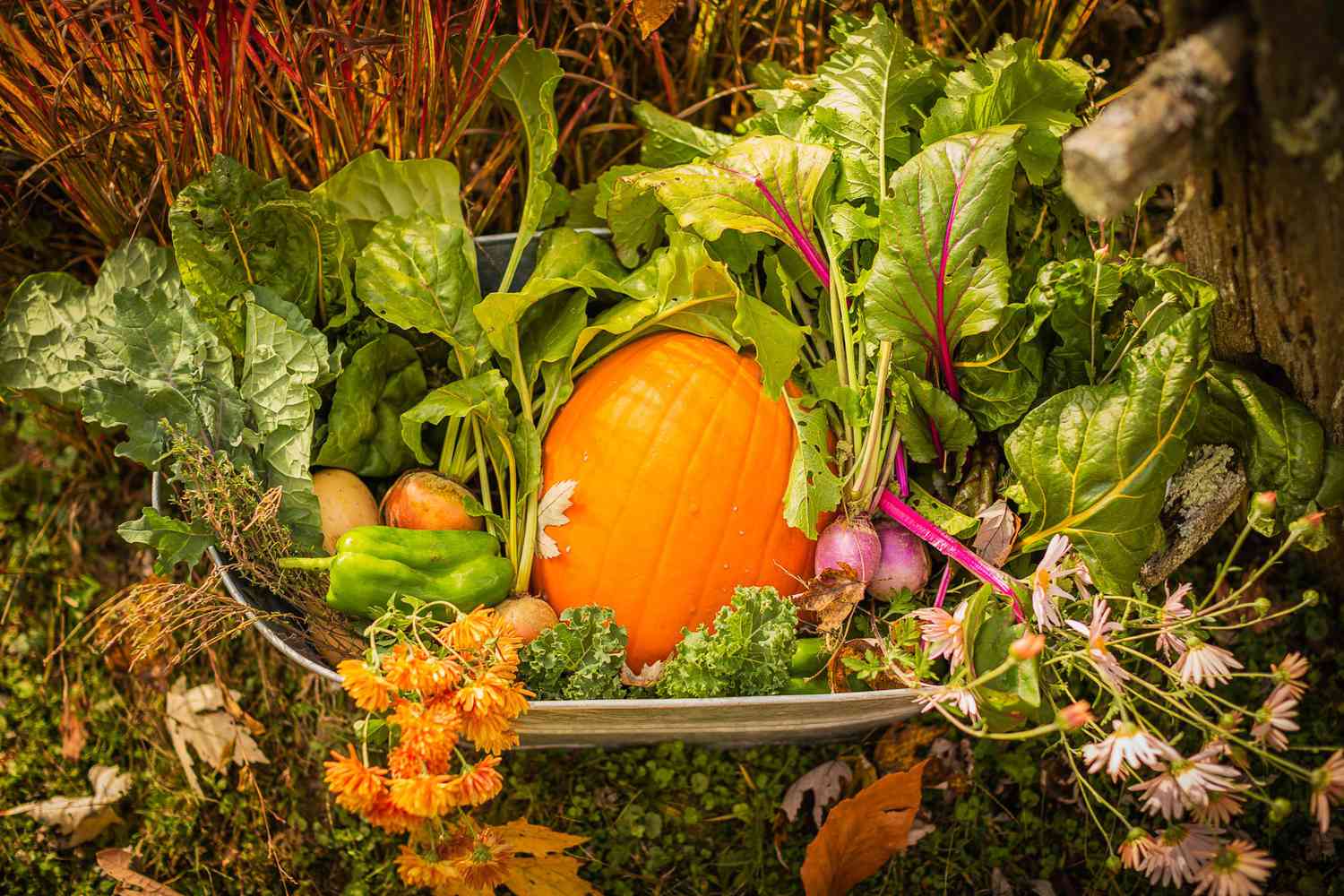
- Pumpkin guts, apple cores, and squash scraps are perfect!
4. Collect Fall Leaves for Free Bedding
Fall leaves are vermicomposting gold:
- Free and abundant
- Perfect carbon source
- Excellent bedding material
- Worms love them!
How to Use Fall Leaves:
- Shred or chop (whole leaves take too long)
- Mix with other bedding materials
- Moisten before adding
- Can store dry for winter use
- Avoid black walnut leaves (toxic to worms)
Pro Tip: Collect extra leaves now and store in bags for winter bedding!
5. Prepare Outdoor Bins for Winter
If you have outdoor bins, fall preparation is crucial:
Insulation Methods:
- Wrap bins in bubble wrap or foam
- Bury bins partially underground
- Add thick layer of leaves on top (8-12 inches)
- Move bins to protected locations (against house, under deck)
- Group bins together (they insulate each other)
Location Changes:
- Move to south-facing walls (maximum sun)
- Protect from north winds
- Ensure rain protection
- Keep accessible for winter feeding
6. Start New Bins
Fall is the best time to expand your operation:
- Worms establish well before winter
- Plenty of time to build population
- Take advantage of fall sales on bins
- Perfect weather for setup work
Expansion Ideas:
- Add second bin for backup
- Start specialized bins (breeding, fishing bait)
- Set up indoor bin for winter
- Create gift bins for friends/family
7. Process Seasonal Abundance
Fall brings an explosion of compostable materials:
- Pumpkin and squash scraps
- Apple cores and peels
- Halloween pumpkins (after October 31st!)
- Garden cleanup debris
- Fallen fruit
Handling Large Amounts:
- Chop everything into small pieces
- Freeze excess for gradual feeding
- Share with other vermicomposters
- Consider starting additional bins
Fall Feeding Favorites
Best fall foods for worms:
Pumpkin and Squash:
- Chop into 2-inch pieces
- Remove seeds first (can attract pests)
- Freeze-thaw for faster decomposition
- Worms absolutely love these!
Apples:
- Core and chop
- Avoid too much at once (can ferment)
- Mix with dry bedding
- Great moisture source
Sweet Potatoes:
- Cooked or raw
- Chop into small pieces
- High in nutrients
- Worms devour them
Fall Leaves:
- Shredded only
- Mix with food scraps
- Excellent carbon source
- Free and abundant!
Common Fall Mistakes
Mistake #1: Not Harvesting Before Winter
Problem: Overcrowded bins going into winter
Solution: Harvest now while weather is pleasant
Mistake #2: Ignoring Insulation Needs
Problem: Worms slow down or die in winter cold
Solution: Insulate outdoor bins in fall, before first freeze
Mistake #3: Not Collecting Enough Leaves
Problem: Running out of bedding in winter
Solution: Collect and store extra leaves now
Mistake #4: Overfeeding
Problem: Worms can eat more, but not unlimited amounts
Solution: Increase gradually, watch for uneaten food
Fall Vermicomposting Benefits
For Your Garden
- Fresh castings for fall planting
- Amend beds before winter cover crops
- Top-dress perennials before dormancy
- Prepare spring beds now
For Your Worms
- Optimal temperatures = happy worms
- Population growth accelerates
- Build reserves for winter
- Reduced stress from heat
For You
- Pleasant working weather
- Less odor issues than summer
- Abundant free materials (leaves!)
- Satisfying season-end harvest
Preparing for Winter
Use fall to set yourself up for winter success:
Indoor Bins:
- Maintain steady temperatures
- Continue normal feeding
- Monitor moisture (indoor heat can dry bins)
- Harvest castings regularly
Outdoor Bins:
- Heavy insulation (12+ inches)
- Reduce feeding frequency
- Monitor for freezing
- Have backup indoor bin ready
Both:
- Stock up on bedding materials
- Freeze food scraps for gradual winter feeding
- Plan for reduced activity
- Prepare emergency supplies
Fall Harvest and Application
For Fall Gardens
Leafy Greens:
- Mix 1 cup castings per square foot
- Perfect for lettuce, spinach, kale
- Side-dress every 3 weeks
Root Vegetables:
- 1/2 cup per linear foot of row
- Great for carrots, beets, radishes
- Improves soil structure
Garlic (Fall Planting):
- 1/4 cup per bulb planting hole
- Boosts winter root development
- Increases spring vigor
For Perennials
- Top-dress with 1-2 inch layer
- Provides slow-release winter nutrition
- Protects roots from temperature swings
- Feeds soil microbes
Your Fall Success Checklist
✓ Harvest summer castings
✓ Divide overcrowded bins
✓ Gradually increase feeding amounts
✓ Collect and store fall leaves
✓ Insulate outdoor bins
✓ Start new bins if expanding
✓ Process seasonal abundance
✓ Apply castings to fall gardens
✓ Prepare winter supplies
✓ Set up backup indoor bin
✓ Stock up on bedding materials
✓ Plan winter feeding schedule
Conclusion
Fall is vermicomposting prime time! Take advantage of perfect temperatures, abundant materials, and active worms to set yourself up for success through winter and into spring. The work you do now will pay dividends for months to come.
Your worms have survived summer - now reward them with optimal fall conditions and they'll reward you with abundant castings!
Happy fall composting!
Found this helpful? Share it with fellow gardeners!